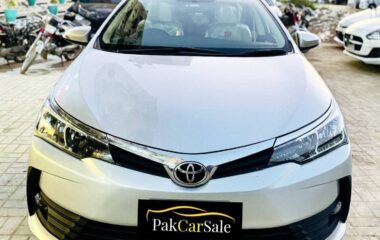
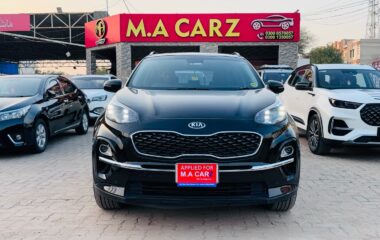
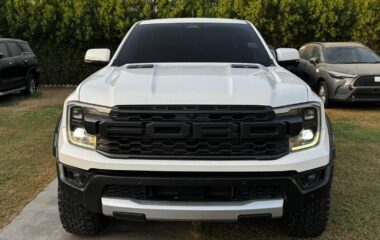
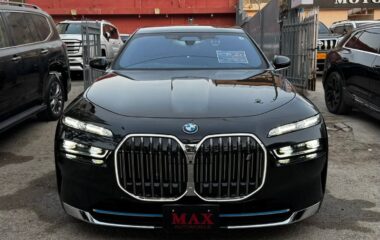
When it comes to the automotive market, many people notice a significant price difference between cars in Pakistan and those in the UAE. This discrepancy can often lead to confusion, particularly for potential buyers considering imports from either market. Several factors contribute to these differing prices, starting with the economic frameworks in which these vehicles are sold.
Taxation and Import Duties
One of the primary reasons for the higher prices of Pakistani cars is the taxation system. Pakistan imposes substantial import duties and sales tax on imported vehicles, which can increase the costs significantly. In contrast, the UAE offers a more favorable tax environment, making car purchasing significantly cheaper. Minimal import duties contribute to lower vehicle prices in the UAE, benefiting car buyers.
Market Demand and Supply
Another substantial factor affecting car prices is the local demand and supply dynamics. The UAE boasts a higher volume of car imports and a more competitive market, allowing dealers to offer cars at attractive prices. Conversely, the demand for cars in Pakistan, coupled with limited supply options, tends to inflate local prices. Consequently, this competitive pressure in the UAE market results in lower overall pricing compared to Pakistan.
The differences in car prices between Pakistan and the UAE are primarily driven by taxation, import duties, and market demand and supply dynamics. Understanding these factors can provide better insight for consumers looking to navigate the car purchasing landscape in either country.